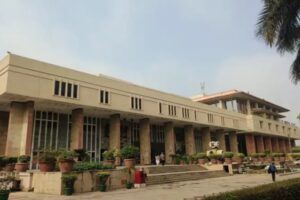



The Comptroller and Auditor General (CAG) of India on Thursday defended its decision to audit the accounts of the Ajmer Sharif Dargah before the Delhi High Court, asserting that it had followed all required legal procedures.
Justice Sachin Datta, presiding over the case, granted the petitioners time to file a rejoinder and listed the matter for further hearing on May 7.
The case stems from a petition filed by the Anjuman Moinia Fakhria Chishtiya Khuddam Khwaja Sahib Syedzadgan Dargah Sharif, Ajmer, along with another registered society. The petitioners have alleged that CAG officials visited their office without prior notice, which they claimed violated the Comptroller and Auditor General’s (Duties, Powers and Conditions of Service) Act, 1971, as well as the Societies Registration Act, 1860.
They have asked the court to restrain the CAG from conducting the audit, arguing that the process was not in line with legal norms.
In its response, the CAG said it had received authorization from the President of India to carry out the audit, as communicated via a Ministry of Finance letter dated January 30, 2024. It also pointed out that the Ministry of Minority Affairs had informed the petitioners in March this year that a CAG audit was being proposed to improve the dargah’s administration and had invited them to raise objections.
The dargah did submit objections, the CAG stated, and those concerns were addressed and disposed of in a letter dated October 17, 2024. Therefore, it argued, all necessary statutory requirements had been fulfilled.
However, the petitioners contended that the proper audit procedure under the CAG Act requires the ministry to formally communicate the proposed audit along with agreed terms and conditions, which must also be shared with the entity being audited.
They claimed these steps were skipped and that the President’s assent should have preceded the agreement on audit terms—not followed it.
During a previous hearing on April 28, the High Court expressed a preliminary inclination to stay the audit and asked the CAG’s counsel to clarify their position. The petitioners maintain that they have yet to receive any official communication detailing the scope or terms of the audit.
Read More: Supreme Court, Delhi High Court, States High Court, International