


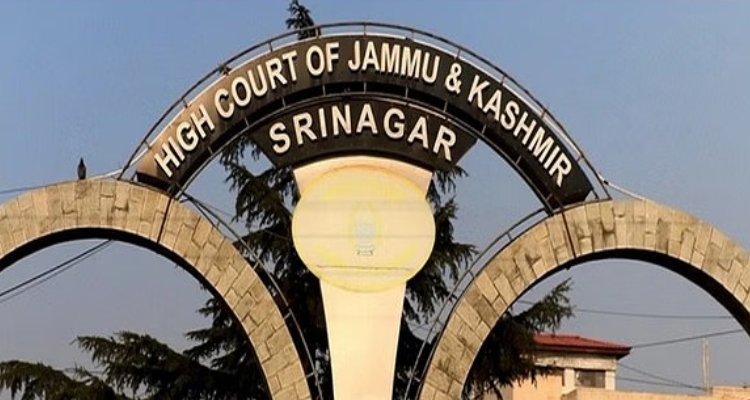
The Jammu and Kashmir High Court has confirmed that ten longstanding residents of Mendhar town in Poonch district may remain in their homes, overturning a recent repatriation order.
These individuals, whose families have lived in Mendhar for over 40 years, were sent back from the Attari border three days ago before successfully petitioning the court for reinstatement of their residency.
Residents Voice Relief & Gratitude
Following the verdict, the group expressed sincere appreciation to the Government of India, Prime Minister Narendra Modi, and Union Home Minister Amit Shah for enforcing the court’s decision. One Mendhar resident shared, “We thank the government of India for this. We were all brought back. Our only request to the government is for it to let us live as we used to. I thank PM Modi and Amit Shah. We condemn the Pahalgam attack. Such incidents should not happen, and those behind them should get the strictest punishment.” Their words reflect both relief at being allowed to stay and solidarity against violence in the region.
Condemnation Of The Pahalgam Attack
The court’s ruling arrives in the shadow of the tragic April 22 attack in Pahalgam, where terrorists targeted unsuspecting tourists in the Baisaran meadow, resulting in 26 deaths and multiple injuries. The Mendhar residents joined the nation in denouncing the act, urging authorities to swiftly bring the perpetrators to justice.
In direct response to the Pahalgam massacre, New Delhi announced on April 27 that all categories of visas for Pakistani nationals would be canceled immediately—excluding only long-term visas, diplomatic, and official passports. This sweeping measure aims to bolster border security and prevent further infiltration of extremist elements.
Cross-Border Family Separation
Amid heightened tensions, Sharmeen Irfan—a dual citizen holding an Indian passport—has found herself stranded. Married to a Pakistani national in Karachi, she traveled to India with her young children to care for her ailing mother. Now unable to return through the Attari–Wagah checkpoint, she has appealed to Indian authorities for assistance in reuniting with her spouse and children’s father.
Escalating Diplomatic Tit-for-Tat
Diplomatic relations have further soured as Pakistan reportedly shuttered its side of the Attari–Wagah crossing, refusing entry to deported individuals. In retaliation, India closed its airspace to all Pakistani-registered, -operated, or -leased aircraft—from April 30 until May 23—impacting both civilian and military flights. Consequently, both countries have barred each other’s airlines from overflying national airspace, marking a significant downturn in bilateral cooperation.
Prospects For Stability
With Mendhar’s ten families now assured of their right to remain, attention turns to whether recent security measures—from visa bans to airspace closures—will strengthen regional safety or deepen mistrust. As New Delhi and Islamabad navigate these retaliatory steps, the impact on ordinary citizens, cross-border families, and tourism hotspots like Pahalgam will be closely watched in the days ahead.
Read More: Supreme Court, Delhi High Court, States High Court, International