


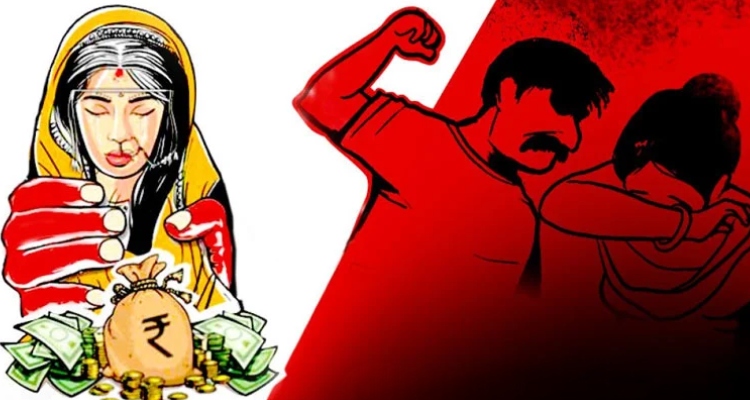
In a significant development in the Vaishnavi Hagawane dowry death case, a Pune court on Tuesday sent two of the main accused — her father-in-law, Rajendra Hagawane, and brother-in-law, Sushil — to 14 days of judicial custody.
Another accused, Nilesh Chavan, was remanded to police custody until June 7 for further investigation into threats made against Vaishnavi’s family.
Vaishnavi, 26, died by suicide in her Bavdhan residence on May 16. Her family has alleged she was driven to take this step due to relentless pressure from her in-laws for additional dowry, despite already providing nearly 600 grams of gold, silver, and a vehicle at the time of her wedding. The family claims the in-laws were demanding ₹2 crore to finance a land deal.
Ongoing Investigations & Arrests
The Pune police have arrested Vaishnavi’s husband Shashank, mother-in-law Lata, sister-in-law Karishma, in addition to Rajendra and Sushil. All face charges related to dowry harassment and abetment of suicide.
Nilesh Chavan, who allegedly threatened Vaishnavi’s relatives after her death and took custody of her child without proper authority, was arrested last week near the India-Nepal border in Uttar Pradesh. He is also under investigation for flashing a firearm and violating child protection laws. Police informed the court they are still analyzing phone data between Chavan and Vaishnavi’s family members.
Political Fallout
The case has political ramifications as well — Rajendra Hagawane, who held a position in the Nationalist Congress Party (NCP), was expelled following his arrest. The party distanced itself from the controversy amid growing public backlash.
State Government Reacts
The tragedy has drawn strong reactions from the Maharashtra government. Chief Minister Devendra Fadnavis called the incident “deeply troubling” and said such acts have no place in a progressive state.
“We cannot allow such regressive practices to claim young lives. The law will take its full course,” said Fadnavis.
As police dig deeper into the financial and digital trail left behind, public pressure continues to mount for justice in what is becoming a defining case in Maharashtra’s battle against dowry-related abuse.
Read More: Supreme Court, Delhi High Court, States High Court, International