


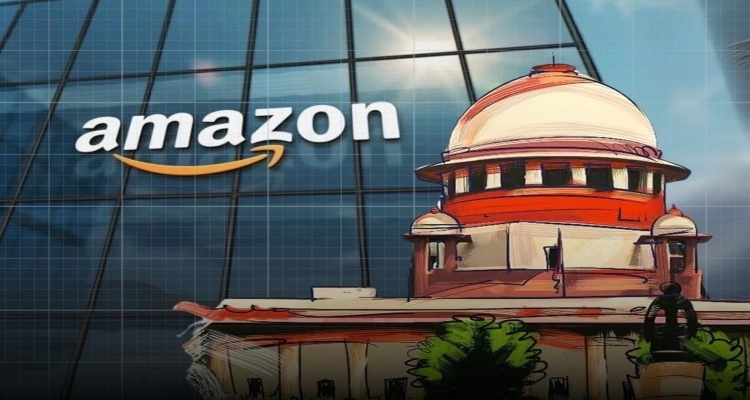
The Delhi High Court’s division bench on Tuesday put on hold a February order directing Amazon Technologies to pay ₹340 crore in damages to Lifestyle Equities for alleged trademark infringement of the ‘Beverly Hills Polo Club’ brand.
The court also stayed the penalty costs imposed by the single-judge bench, subject to Amazon’s compliance with existing interim directions.
Bench Imposes Stay, With Conditions
Led by Justice Hari Shankar, the two-judge bench granted Amazon’s request for a stay of the entire decree, emphasizing that this relief would remain in force only if Amazon continued to adhere to the single judge’s earlier orders. Specifically, the division bench stipulated that the stay would be upheld “subject to Amazon complying with the remaining directions issued by the single judge bench in the case.”
Single Judge’s February Ruling
In February, Justice Prathiba M. Singh ruled in favour of Lifestyle Equities and Lifestyle Licensing, holding that Amazon had infringed the registered trademark of Beverly Hills Polo Club. The single judge:
Ordered Amazon to “stop selling, advertising, or dealing in any products that used the mark or logo similar to Lifestyle’s registered trademark.”
Directed Amazon to pay ₹340 crore in damages for the unauthorised use of the logo.
Imposed litigation costs on Amazon.
Lifestyle’s Trademark Claims
Lifestyle Equities and its licensing arm launched the Beverly Hills Polo Club brand in India in 2007, building substantial goodwill both domestically and overseas. Their product portfolio spans apparel, watches, eyewear, bags, and footwear, all marketed under the iconic polo-player logo. The companies argued that Amazon’s sale of look-alike goods at deep discounts was a deliberate tactic to erode the brand’s value.
Amazon’s Appeal
In May, Amazon Technologies moved the division bench seeking to overturn the single judge’s findings. Counsel for Amazon contended that:
The trial court’s conclusions “lacked supporting evidence of infringement.”
The allegations required more “detailed legal scrutiny,” particularly around consumer confusion and comparative market analyses.
The damages award was disproportionate and unsupported by quantifiable loss.
Amazon’s lawyers also highlighted that the e-commerce giant’s market position should not automatically translate to liability without clear proof of bad faith or consumer deception.
Earlier Observations On Pricing Strategy
Justice Prathiba had noted in her judgment that Amazon was offering products “at a fraction of Lifestyle’s pricing,” describing the practice as a “strategy of obfuscation, given Amazon’s market dominance.” She reasoned that deep-discounted knock-offs could mislead consumers into believing they were purchasing authentic Beverly Hills Polo Club merchandise.
What Happens Next?
With the stay in place, Amazon may continue listing items that were previously enjoined, so long as it follows the interim guidelines. Both parties will reconvene before the division bench for a full hearing on the merits of Amazon’s appeal. Depending on the outcome, the ₹340 crore damages award and related injunction could be reinstated or modified.
Meanwhile, Lifestyle Equities retains the right to press for expedited disposal of its original infringement suit in the single-judge court. The brand owners have indicated they will push to resume the trial at the earliest possible date.
Broader Implications For E-Commerce Liability
This high-stakes dispute underscores the complex balance between protecting trademark owners and preserving the operational flexibility of online marketplaces. A ruling against Amazon would reinforce stringent intermediary accountability, while a verdict favouring Amazon could signal greater deference to platform-scale and due diligence standards. Regardless, the case sets a critical precedent in India’s evolving digital-commerce jurisprudence.
(Inputs By Sambhav Sharma)
Read More: Supreme Court, Delhi High Court, States High Court, International