



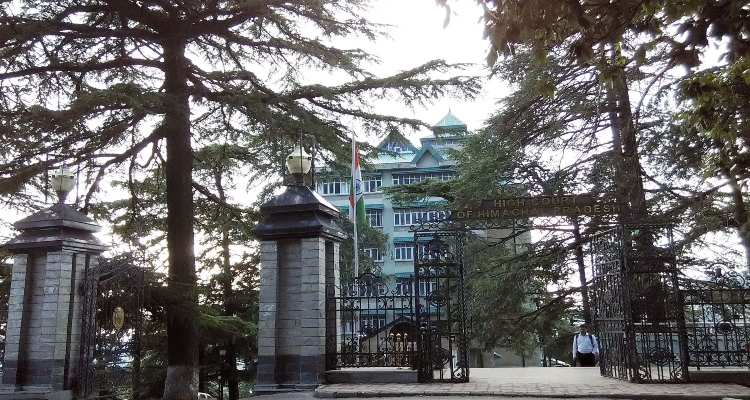
The Himachal Pradesh High Court on Friday declined to discharge 3 faculty members of VNR Vignana Jyothi Institute of Engineering and Technology, Hyderabad, from criminal proceedings linked to the 2014 Beas River disaster that claimed 26 lives, including 25 students and a tour manager.
Justice Virender Singh, delivering the verdict, upheld a February 8, 2024, trial court order that had rejected their plea for discharge under Section 258 of the CrPC.
The professors — A. Aditya, C. Kiran, and Sumabala — are facing charges under Sections 336 and 304-A read with Section 34 of the IPC.
The court found that the faculty members, acting as trip guardians, stopped the tour bus near Thalout in Mandi district and permitted students to walk down to the riverbed for photographs, despite being aware of the volatile nature of mountain rivers and the risk of sudden surges from dam releases.
In a strongly worded observation, the court noted that the professors’ own conduct showed awareness of danger: “The faculty members knew the risk — evident from the fact that they did not take their own child into the riverbed — yet they failed to prevent the students from doing so.”
Justice Singh concluded that the negligence was “so gross” as to amount to criminal negligence punishable under Section 304 IPC, dismissing the defence argument that Section 34 (common intention) was not applicable.
Disaster Unfolded In Minutes
On June 8, 2014, a group of 48 engineering students and staff were travelling from Shimla to Manali when they halted at Shala-Nala along the Beas. With the water level appearing deceptively low, many ventured into the dry riverbed.
Without warning, water was suddenly released from the upstream Larji Dam, surging through the river and sweeping away the group. The bodies were later recovered downstream over several weeks, with postmortems confirming drowning.
Dam Authorities Also Found Negligent
The High Court referred to earlier inquiry findings that had faulted the Himachal Pradesh State Electricity Board (HPSEB) and Larji Dam officials. Investigations revealed a lack of proper warning systems — one of three hooters was broken, the others unmanned, and no guards, vehicles, or danger signs were in place.
Despite receiving instructions from the SLDC, Shimla, to lower power generation before the incident, the dam authorities drastically increased water discharge from 20 to 450 cubic metres per second within an hour.
Professors’ Defence Rejected
The accused faculty members argued they were not responsible for the dam’s water release and had not committed any offence under Sections 336 or 304-A IPC. However, the High Court ruled that their collective decision to allow students into a hazardous zone — despite clear awareness of the risks — established shared culpability.
The court drew on legal precedents, including Sushil Ansal vs State and S.N. Hussain vs State of Andhra Pradesh, to underline that gross negligence endangering life constitutes a criminal offence.
With the revision plea dismissed, the case will move forward in the Mandi Court against all accused — including six dam officials and the three Hyderabad professors.
This ruling is a significant step in the decade-old case and reinforces the legal expectation that educators and authorities must uphold their duty of care in situations involving public and student safety.
Read More: Supreme Court, Delhi High Court, States High Court, International