


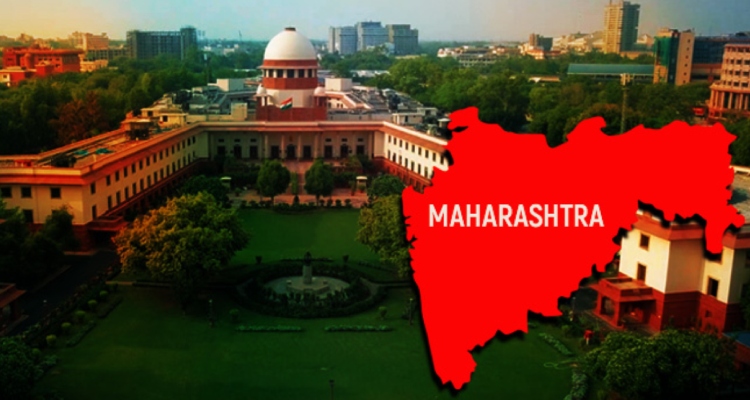
The Maharashtra government told the Supreme Court on Tuesday that the power to approve or withhold bills passed by state legislatures belongs only to governors or the President and cannot be exercised by courts.
Arguing before a 5-judge Constitution Bench led by Chief Justice BR Gavai, senior advocate Harish Salve said, “The court cannot direct a governor to sign a bill. The Constitution vests that authority only in the governor or the President.”
The bench — which also includes Justices Surya Kant, Vikram Nath, P S Narasimha and A S Chandurkar — is considering a Presidential Reference under Article 143 on whether courts can set deadlines for governors and the President to act on state legislation.
Salve emphasized Article 361, which shields the President and governors from being questioned in court over the discharge of their duties. “Courts may seek to know what decision has been taken, but cannot ask why,” he said.
On the governor’s powers under Article 200, Salve argued there is no time limit for action and that withholding assent is a legitimate option. He also rejected the term “veto” as misleading, though acknowledged governors can reserve or return bills.
The bench asked whether governors could indefinitely delay bills, citing a hypothetical situation where a bill passed in 2020 remained pending in 2025.
Senior advocates N K Kaul (Madhya Pradesh) and Maninder Singh (Rajasthan) also addressed the court, agreeing that Article 200 gives governors three choices — assent, withhold, or reserve for the President.
The hearing stems from President Droupadi Murmu’s reference in May seeking the apex court’s opinion on judicial powers to set timelines for constitutional authorities. The arguments continue.
Read More: Supreme Court, Delhi High Court, States High Court, International