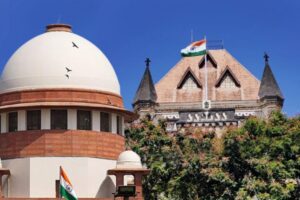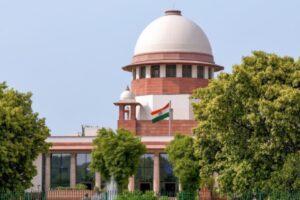



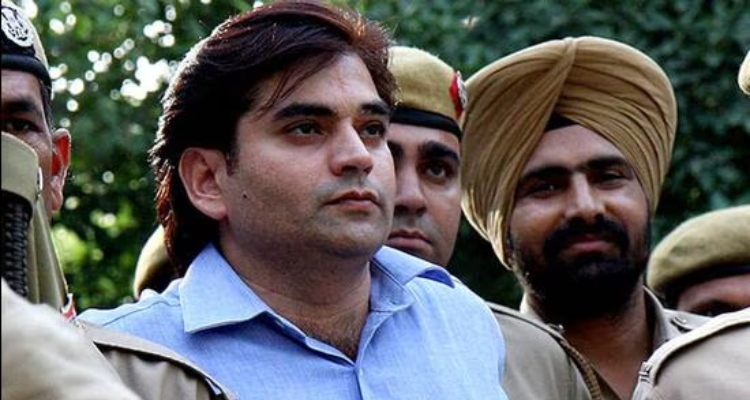
The Supreme Court on Monday refused to extend interim bail granted to Vikas Yadav, who is serving a 25-year sentence in the 2002 Nitish Katara murder case.
A bench of Justices M.M. Sundresh and Satish Chandra Sharma directed Yadav’s counsel to approach the Delhi High Court for either an extension or fresh interim bail.
Counsel’s Plea Rejected
During the hearing, Yadav’s counsel pressed for the apex court to consider extending the interim bail instead of asking him to move the High Court. However, once the bench indicated it was inclined to dismiss the plea, the counsel agreed to approach the High Court.
Last week, the court had extended Yadav’s interim bail by one week after he challenged the Delhi High Court’s August 22 order declining to prolong his release.
Grounds For Interim Bail
Yadav, 54, who has been behind bars for more than 23 years, had sought interim bail citing two reasons: to look after his ailing mother who had undergone surgery, and to attend his marriage scheduled for September 5.
On April 24, the apex court granted him interim bail to care for his mother, directing that he reside only at his Ghaziabad home. The court made it clear that he must not contact witnesses in the case, including Neelam Katara, mother of the victim. It also ordered police in Delhi and Uttarakhand to provide security to witnesses and Neelam Katara.
Since then, his interim bail had been extended multiple times until the Delhi High Court rejected further relief.
Pending Issues and Legal History
Yadav has also filed a plea before the Supreme Court challenging the denial of remission benefits, which remains pending.
In May 2008, a trial court convicted Yadav for the murder of Nitish Katara, a young business executive, ruling that Katara was killed because of his relationship with Bharti Yadav, Vikas’s sister.
On October 3, 2016, the Supreme Court upheld jail terms for Vikas and his cousin Vishal Yadav, imposing 25 years of imprisonment without remission. The court found that they had kidnapped Katara from a marriage party on the night of February 16–17, 2002, before murdering him.
Read More: Supreme Court, Delhi High Court, States High Court, International