



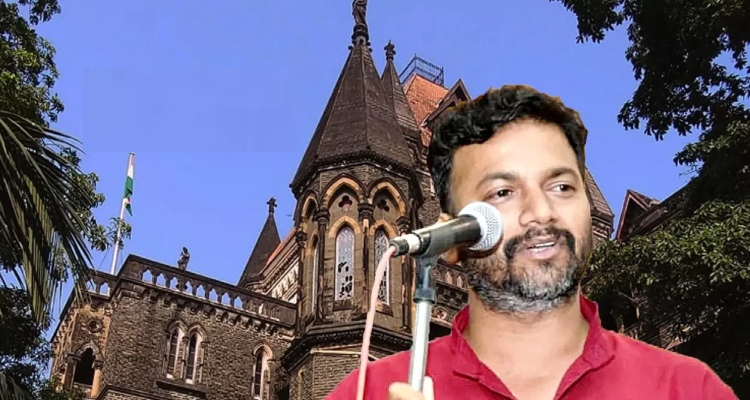
Activist Ramesh Gaichor, accused in the Elgar Parishad–Maoist links case, has been released from jail following the temporary bail granted by the Bombay High Court.
The prison authorities informed the court on Thursday that Gaichor was released from Taloja jail in Navi Mumbai late Wednesday night.
Temporary Bail Granted To Visit Ailing Father
Gaichor was granted 3 days’ temporary bail on August 26 by the High Court to visit his ailing father. The HC noted that Gaichor had not met his 76-year-old father since his arrest in September 2020. The court had earlier expressed concern over the activist’s family circumstances while considering his plea.
However, despite the court’s directive, Gaichor’s release was delayed. His counsel, Mihir Desai, filed an application on Wednesday, alleging that the jail authorities refused to release him, insisting on a release warrant from the trial court even after the High Court’s order.
The bench headed by Justice A. S. Gadkari reprimanded the jail authorities for failing to comply with the court’s order. The judge remarked that the accused was being unnecessarily harassed by the authorities. The court’s criticism underscored the importance of respecting judicial directions, particularly in sensitive cases involving human rights.
On Thursday, the jail superintendent submitted an affidavit tendering an unconditional apology for the delay. The affidavit confirmed that Gaichor had been released from jail late Wednesday night.
The court accepted the apology and modified its earlier order, extending Gaichor’s temporary bail until September 13.
Background
Ramesh Gaichor, along with several other activists, was arrested for alleged links to the banned CPI (Maoist) group. The case relates to inflammatory speeches made during the Elgar Parishad event held in Pune on December 31, 2017. These speeches allegedly incited violence near the Koregaon-Bhima war memorial the following day.
Gaichor’s interim bail request had earlier been rejected by a special court, which argued that his father’s health issues were typical age-related ailments and did not warrant bail.
Read More: Supreme Court, Delhi High Court, States High Court, International