


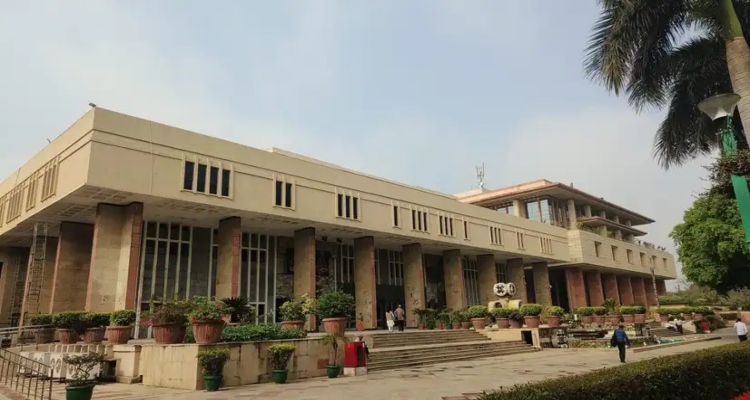
A Public Interest Litigation has been filed in the Delhi High Court demanding the removal of the graves of executed terrorists Mohammad Afzal Guru and Mohammad Maqbool Bhatt from inside Tihar Jail.
The petition argues that the presence of permanent graves within a state-run prison is unlawful, unconstitutional, and detrimental to public interest.
Petition Seeks Relocation Of Remains
The plea, moved by Vishwa Vedic Sanatan Sangh through Advocate Barun Kumar Sinha, calls for the mortal remains to be shifted to a secret location, if necessary. It contends that this step is crucial to prevent any form of glorification of terrorism or misuse of prison grounds.
Specifically, it asks the court, “To issue a writ of mandamus directing the Respondents to remove the graves of terrorists Mohammad Maqbool Bhatt and Mohammad Afzal Guru from the premises of Central Jail, Tihar, in accordance with the Delhi Prison Rules, 2018 and the Prisons Act, 1894.”
Breach Of Prison Rules
The petition highlights that the Delhi Prison Rules require authorities to dispose of executed prisoners’ bodies in a way that safeguards discipline and public order, while ensuring they are not turned into symbols of glorification. According to the plea, allowing permanent graves inside Tihar is a “clear violation” of this framework.
It further states, “The Jail Manual provides that bodies of executed prisoners are to be disposed of in a manner that maintains prison security, discipline, and public order. Nowhere does it permit the construction of permanent graves or shrines inside prison premises.”
Constitutional & Security Concerns
The petitioners argue that keeping the graves intact inside a government facility amounts to state-sanctioned reverence of terrorists, which violates India’s secular principles.
“Because the existence of terrorist graves in a government-controlled institution amounts to an unconstitutional sanctification of terrorism… Allowing these graves to remain is tantamount to State recognition of terrorists as figures of reverence, thereby indirectly promoting terrorism and communal polarization,” the plea states.
The petition adds that Tihar has effectively turned into a “site of radical pilgrimage” where extremist groups gather, undermining both national security and the rule of law.
Conflicting With Law & Precedents
The plea cites multiple legislations—including the Prisons Act, 1894, the Delhi Prison Act, 2000, and the Delhi Prison Rules, 2018—none of which permit burials within prison premises. It also references the Delhi Municipal Corporation Act, 1957 (Section 397), which prohibits burials at undesignated places.
It draws parallels with past cases, pointing out that the remains of Ajmal Kasab and Yakub Memon were handled with extreme caution to prevent their graves from becoming rallying points for extremist sympathies.
In addition to legal and security concerns, the petition raises public health issues, warning that graves within the jail could expose inmates and staff to “contagious and dangerous diseases.”
Urgent Relief Requested
Calling the situation a “dangerous precedent” that undermines the objectives of prison discipline, the petitioners have urged the Delhi High Court to order immediate removal and discreet relocation of the remains.
Read More: Supreme Court, Delhi High Court, States High Court, International