



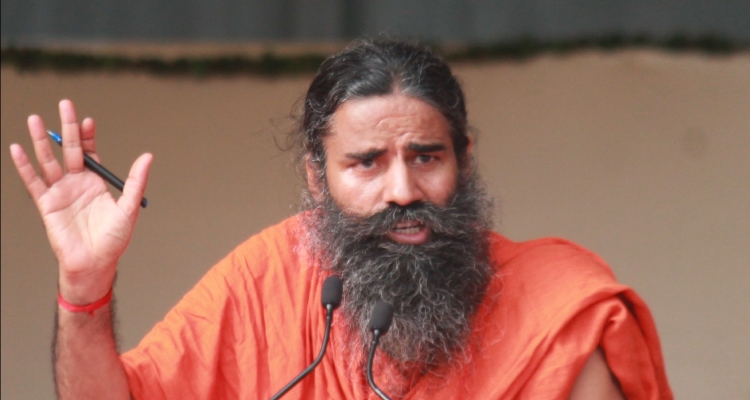
The Delhi High Court on Friday secured a written undertaking from yoga guru Baba Ramdev, ensuring he will refrain from issuing any further disparaging statements or social media posts akin to his “sharbat jihad” comment targeting Hamdard’s Rooh Afza.
Court’s Directive & Undertaking
During proceedings before Justice Amit Bansal, the court reiterated its April 22 order demanding that both Ramdev and Patanjali Foods Ltd. file affidavits pledging not to publish any future content denigrating competitors’ products. Ramdev’s counsel was directed to submit the undertaking by the end of the day, and a matching pledge was also furnished on behalf of Patanjali Foods.
Background Of The Dispute
The lawsuit was filed by Hamdard National Foundation India, which accused Ramdev of defaming its flagship drink, Rooh Afza, while promoting Patanjali’s own “gulab sharbat.” In televised appearances and online videos, Ramdev had alleged that proceeds from Rooh Afza sales funded the construction of mosques and madrasas—a claim the court found both baseless and offensive.
Justice Bansal had earlier described the “sharbat jihad” remark as “indefensible” and one that “shook the conscience” of the court. On May 1, the judge warned that failure to comply with removal orders could lead to contempt proceedings.
Compliance Issues & Court’s Response
On Friday, Hamdard’s attorney informed the bench that, rather than deleting the objectionable YouTube video entirely, Ramdev’s team had merely made it private—raising doubts about full compliance. Ramdev’s lawyer countered that all of the court’s directions would be honored within 24 hours, emphasizing his client’s respect for the judiciary.
“We have 24 hours, we will comply,” Ramdev’s counsel assured, urging the court to proceed with disposing of the case promptly.
Next Hearing & Implications
After recording the undertakings, the court scheduled the next hearing for May 9. In that session, the bench will verify the removal of the disputed content and consider whether any further action is necessary.
The case highlights the legal responsibilities of public figures and corporations when making commercial comparisons. Ramdev’s commitment to refrain from similar remarks in future underscores the court’s insistence on fair competition and respect for religious and communal sensitivities in advertising and public discourse.
Read More: Supreme Court, Delhi High Court, States High Court, International