


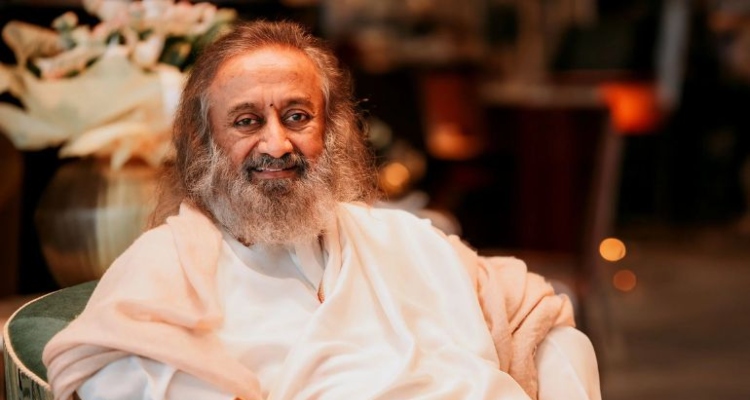
The Delhi High Court has held that the circulation of deepfake content impersonating spiritual leader Sri Sri Ravi Shankar amounts to a clear infringement of his personality and publicity rights.
Justice Manmeet Pritam Singh Arora, while hearing a plea filed by the Art of Living founder, observed that an unidentified entity had been “unauthorisedly circulating deepfake content using the name, voice, facial expressions, persona, and likeness of the plaintiff,” thereby misleading the public and causing irreparable harm.
The Court found that a prima facie case had been established and warned that failure to restrain such acts could seriously damage the plaintiff’s reputation and identity.
Fabricated Endorsements Using AI
Ravi Shankar approached the court seeking a permanent injunction against the dissemination of manipulated videos that surfaced online between July and August 2025. These clips, created using AI technologies such as voice cloning and deepfake tools, falsely portrayed him as endorsing Ayurvedic or natural remedies for ailments including diabetes, haemorrhoids, and chronic knee pain.
Ex Parte Interim Orders
Considering the urgency, the court granted an ex parte ad interim injunction, restraining unknown defendants and their associates from misusing the spiritual leader’s name, likeness, voice, or style of discourse across any platform, including AI-generated formats, metaverse platforms, and future technologies.
The court also issued specific takedown directions:
Meta Platforms (Facebook’s parent company) was ordered to remove the content within 36 hours.
Domain registrars were instructed to suspend and lock identified websites within 72 hours.
The Department of Telecommunications and the Ministry of Electronics and IT were directed to notify internet service providers to block access to offending websites.
The order allows Ravi Shankar to approach the Joint Registrar if fresh deepfake content or infringing websites emerge during the pendency of the suit. It also clarifies that non-infringing websites inadvertently blocked may seek modification of the order.
The matter will be listed before the Joint Registrar on October 15, 2025, and before the Court on February 19, 2026.
Read More: Supreme Court, Delhi High Court, States High Court, International