



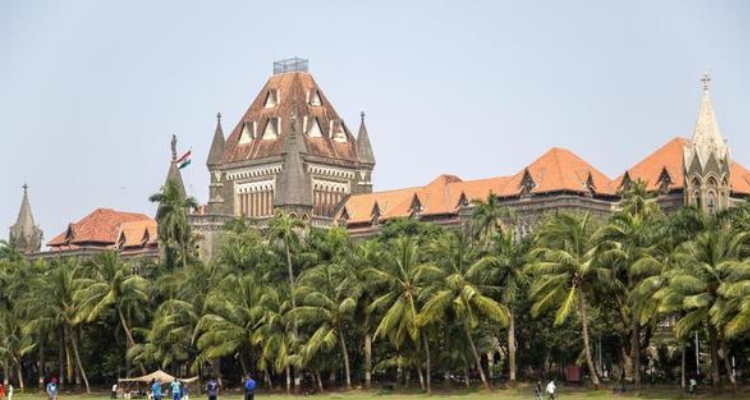
The Bombay High Court is set to implement new video conferencing rules for court hearings in Maharashtra, Goa, and the Union Territories of Daman and Diu, Dadra and Nagar Haveli, starting December 29.
The notification for these changes was published in the gazette on December 19. These new rules, titled High Court of Bombay Rules for Video Conferencing for Courts 2022, aim to modernize the judicial process and will apply to various courts and tribunals, including Family Courts, Labour Courts, Industrial Courts, Co-operative Courts, Motor Accident Claims Tribunals, and School Tribunals.
Under the new rules, all video conference hearings will be considered official judicial proceedings. Participants will be required to submit valid government-issued identity proof via email, or provide personal details if they don’t have such documents readily available. Unauthorized recording of the proceedings will be strictly prohibited to ensure security during remote hearings.
To facilitate smooth technical operations, designated coordinators will be in charge of overseeing the technical aspects at both the court and remote locations. Participants must use desktops or laptops with stable internet connections to participate in hearings.
Additionally, the rules mandate that the facilities for remote hearings must guarantee privacy.
Coordinators will ensure that all technical systems are functioning properly before hearings commence, confirming that participants are ready at least 30 minutes before the scheduled hearing. They will also make sure no unauthorized recording devices are present during the proceedings.
The rules also allow witnesses located abroad or in custody to testify via secure video links, arranged by local authorities or Indian consulates. To participate in a video conferencing hearing, parties must submit a request in the prescribed format, ideally after consulting with all involved parties. The court will then assess the request and schedule the hearing as appropriate. All relevant documents must be shared electronically in advance for proper preparation.
Additionally, the new rules permit judicial remand procedures, the framing of charges, the examination of accused individuals, and proceedings under Section 164 of the Code of Criminal Procedure to be conducted via video conference.
However, judicial remand or police remand can’t be granted through video conference unless in exceptional circumstances, which must be documented in writing.
In certain exceptional cases, the court may also examine a witness or an accused under Section 164 of the Code of Criminal Procedure or record the statement of an accused under Section 313 of the Code through video conference. This will only be allowed if adequate precautions are taken to ensure the witness or accused is not coerced, threatened, or unduly influenced.
Lastly, the costs of video conferencing, including any technical expenses incurred by the parties requesting remote hearings, will generally be borne by the requesting party, unless directed otherwise by the court.