



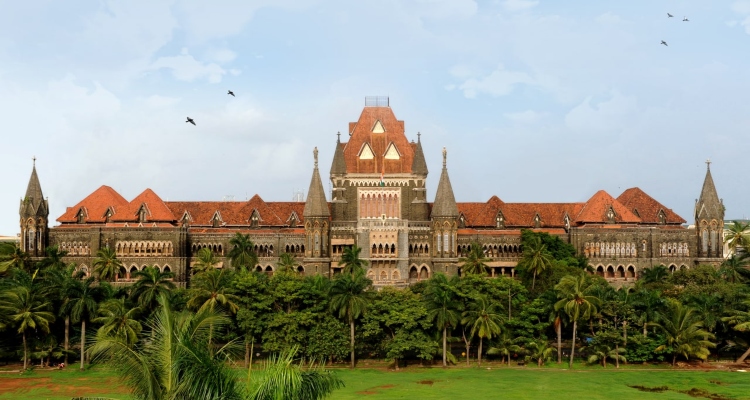
The Bombay High Court on Wednesday rejected a Public Interest Litigation filed against Italian luxury fashion brand Prada over its alleged unauthorized use of the iconic Kolhapuri chappals in its latest collection.
Court Questions Petitioners’ Locus Standi
A division bench comprising Chief Justice Alok Aradhe and Justice Sandeep Marne dismissed the petition, which was filed by five advocates, questioning their legal standing in the matter. The bench pointed out that the petitioners were neither the registered owners of the Kolhapuri chappals nor the rightful proprietors under the Geographical Indications (GI) law.
“You are not the owner of this Kolhapuri chappal. What is your locus and what is the public interest? Any person aggrieved can file a suit. What is the public interest in this,” the court asked, emphasizing the lack of direct stake by the petitioners.
Geographical Indication Status Highlighted
The plea argued that Kolhapuri chappals are protected under the Geographical Indications of Goods (Registration and Protection) Act and that Prada’s sandals were “deceptively similar” to the traditional Indian footwear. The petitioners claimed that Prada’s design, part of its spring/summer collection, closely resembled the GI-tagged chappals and undermined the heritage of local artisans.
The petition specifically referred to Prada’s ‘toe-ring sandals,’ which are priced at around ₹1 lakh per pair, alleging that the luxury label was profiting from a traditional Indian design without proper authorization or credit.
Only GI Rights Holders Can Take Legal Action, Says Court
Responding to the concerns raised in the PIL, the court stated that the appropriate party to raise such objections would be the registered proprietor of the GI tag. The bench clarified that the person or body officially holding the GI rights is entitled to seek legal remedy if they believe their rights have been violated.
“The registered proprietor of the GI Tag can come to court and espouse their own action,” the bench said.
Verdict & Future Proceedings
The bench dismissed the PIL and added that a detailed order outlining the court’s reasoning would follow. While the case has been closed for now, the court’s remarks have made it clear that only those with a legitimate legal claim can pursue such matters.
This ruling underscores the importance of legal standing in intellectual property disputes and highlights the need for rightful rights holders to initiate any claims concerning GI-protected goods.
Read More: Supreme Court, Delhi High Court, States High Court, International