



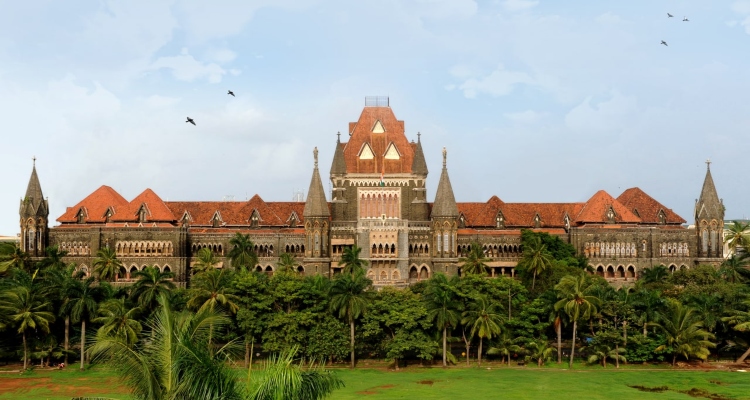
The Bombay High Court on Tuesday rejected the bail application of Babu Abdul Ruf Sardar, accused of illegally entering India from Bangladesh and residing for over 10 years with forged identity documents.
The court underscored that possessing documents like Aadhaar, PAN card, or voter ID does not automatically grant Indian citizenship.
Justice Amit Borkar highlighted that the Citizenship Act, 1955, is the key legislation that defines who is legally recognized as an Indian citizen and the processes for acquiring or losing citizenship. “Simply holding identification documents such as Aadhaar card, PAN card or voter ID does not confer citizenship. These are meant solely for identity verification or accessing services and cannot substitute the legal standards set by the Citizenship Act,” the judge stated.
Sardar allegedly entered India without valid travel papers and is accused of obtaining fake Aadhaar, PAN, voter ID cards, and even an Indian passport.
Court’s Observation
The court noted that the investigation, including the verification of the Aadhaar card by the Unique Identification Authority of India (UIDAI), remains underway.
The bench stressed the importance of distinguishing between legitimate citizens and illegal migrants. Under the Citizenship Act, illegal migrants are barred from citizenship through most lawful means, a safeguard designed to protect national sovereignty and prevent misuse of citizen rights.
In his plea, Sardar claimed to be a genuine Indian citizen, citing connections between his documents and income tax records, along with business registrations. He also said he has been living in Thane district since 2013. However, the prosecution warned that releasing him could lead to absconding and revealed ongoing investigations into a possible larger network involved in illegal immigration and document forgery.
Justice Borkar observed that the case is not just about overstaying but involves deliberate concealment of identity and fabrication of false documents to pose as an Indian citizen.
The court further reflected on the constitutional context, noting that after Partition, the framers of the Indian Constitution laid down clear provisions to define citizenship and empowered Parliament to make detailed laws on the subject to manage the mass migration of people during that period.
Read More: Supreme Court, Delhi High Court, States High Court, International