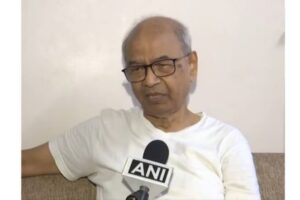



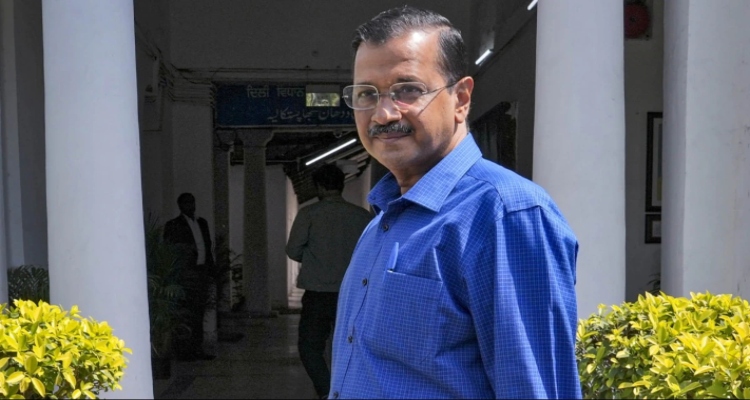
Aam Aadmi Party chief Arvind Kejriwal has dismissed rumors of his Rajya Sabha candidacy, stating unequivocally: “Kejriwal nahin ja raha” (Kejriwal is not going to the Rajya Sabha).
His clarification comes after AAP’s Rajya Sabha MP Sanjeev Arora won the Ludhiana West bypoll, necessitating his resignation from the Upper House.
The development raises key questions:
- Who will AAP nominate for the vacant Rajya Sabha seat?
What legal procedures govern Rajya Sabha elections?
Could this trigger a political realignment ahead of the 2026 RS polls?
Legal Framework: How Rajya Sabha Elections Work
1. Constitutional & Statutory Basis
Article 80(4) of the Indian Constitution mandates that Rajya Sabha members are elected by State Legislative Assemblies via proportional representation.
The Representation of the People Act, 1951 and Conduct of Election Rules, 1961 regulate the process.
2. Key Legal Precedents
Kuldip Nayar vs Union of India (2006): SC upheld that voting in RS polls must be by open ballot, not secret voting, to prevent horse-trading.
AAP vs LG (2018): Delhi HC ruled that Delhi Assembly can’t send RS members as it’s a UT with partial statehood. Hence, AAP must rely on Punjab MLAs for nominations.
3. Procedure for Filling Vacant RS Seats
Election Commission issues a notification.
Political parties with sufficient MLAs (AAP has 91/117 in Punjab) can nominate candidates.
Single Transferable Vote (STV) system is used—MLAs rank candidates in order of preference.
Political Implications
With Kejriwal out of contention, AAP’s options include: Manish Sisodia (Former Delhi Dy CM, legally embattled but popular). Bhagwant Mann (Punjab CM, but may prefer state focus). A Punjab-based leader (To strengthen regional appeal).
Legal Hurdles?
If Sisodia is picked, his pending CBI/ED cases could lead to disqualification under RP Act, 1951 if convicted.
Any candidate must file an affidavit disclosing criminal/civil cases (SC mandate in Union of India vs ADR, 2002).
Why Kejriwal’s Refusal Matters
Strategic Move: Kejriwal may be eyeing a 2026 Lok Sabha return instead.
Legal Constraints: As Delhi CM candidate, he may avoid RS due to dual-office restrictions (though RS membership doesn’t bar CM post).
AAP’s National Ambitions: The party needs a strong RS voice to counter BJP’s dominance in Parliament.
Conclusion
The Rajya Sabha vacancy presents AAP with a critical choice—opting for a legal-savvy nominee (like Sisodia) or a fresh face to expand its national footprint. With Punjab’s MLAs holding the key, the party must navigate electoral laws carefully to avoid controversies.
EC to announce bypoll dates within 6 months (as per constitutional mandate). AAP’s internal meeting likely soon to finalize a candidate.
Read More: Supreme Court, Delhi High Court, States High Court, International