


The Supreme Court on Thursday declined to entertain a petition alleging that several survivors of the 1984 Bhopal gas tragedy were under-compensated due to being wrongly classified as having only temporary or minor injuries.
A bench comprising Chief Justice of India B R Gavai and Justice K Vinod Chandran advised the petitioner organisations to approach the appropriate jurisdictional high court for relief. The apex court also clarified that it had not examined the merits of the claims made in the plea.
Petition Alleges Misclassification & Under-Compensation
The petitioners contended that many seriously injured survivors were categorized incorrectly under the Bhopal Gas Leak Disaster (Processing of Claims) Act, 1985. As a result, they allegedly received far less compensation than they were entitled to. The plea sought directions to the Union government and the Madhya Pradesh government to identify and adequately compensate those affected by such misclassification.
According to the petitioners, individuals suffering from severe health issues such as kidney failure and cancer—conditions linked to prolonged exposure to the toxic gas—were still treated under the “minor injury” or “temporary disablement” categories. These classifications, they argued, failed to reflect the true extent of the victims’ suffering and long-term disabilities.
Court Refers Matter To High Court
During the hearing, the bench expressed hesitation in revisiting classifications made decades ago. “Do we possess the expertise that a person should have been classified in A category or B category?” asked CJI Gavai, indicating the complexity and technical nature of re-evaluating medical classifications so many years after the disaster.
The petitioners, however, emphasized that they were not seeking to reopen settled issues, but merely requesting a limited review to ensure that genuine victims are not left uncompensated due to administrative oversight.
Nonetheless, the court remained firm on its stance, refusing to hear the matter further and directing the petitioners to seek appropriate remedies from the high court.
Background
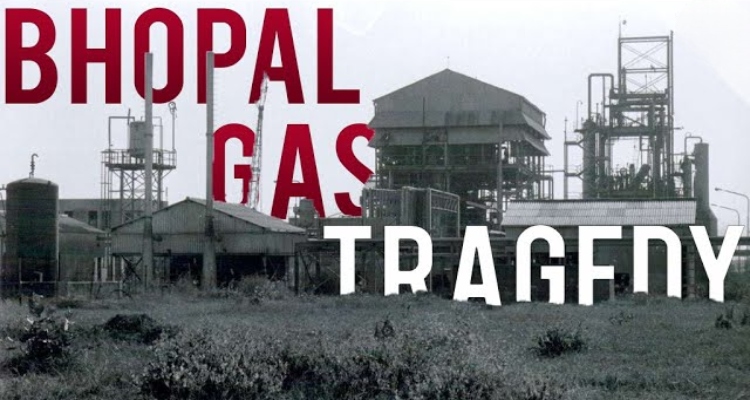
The Bhopal gas tragedy remains one of the most devastating industrial disasters in history. On the night of December 2-3, 1984, a leak of the highly toxic gas methyl isocyanate from the Union Carbide pesticide plant killed at least 5,479 people and left over half a million injured, many with long-term and irreversible health conditions.
While the Indian government set up a legal and compensation framework through the 1985 Act, concerns have persisted for decades regarding inadequate relief, misclassification of injuries, and lack of long-term healthcare for survivors.
Although the Supreme Court declined to intervene, the petitioners may now move to the jurisdictional high court, as permitted by the bench.
Whether the high court will entertain the matter or not remains to be seen, but the issue once again underscores the lingering legacy and unresolved grievances from the Bhopal disaster—four decades later.
Read More: Supreme Court, Delhi High Court, States High Court, International