


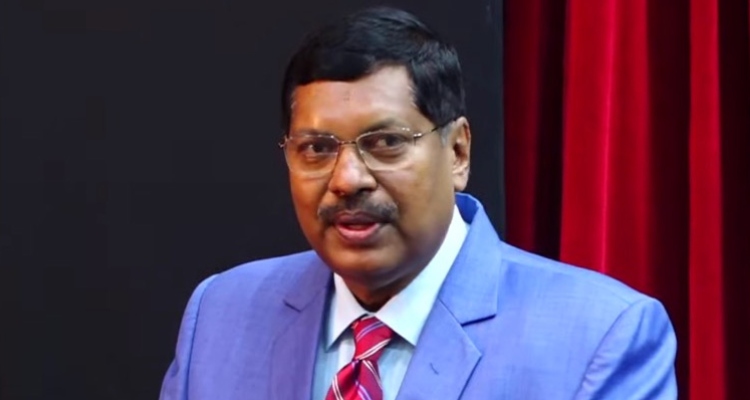
Chief Justice of India BR Gavai emphasized on Wednesday that while the collegium system attracts its share of criticism, any attempt to reform it must safeguard the judiciary’s autonomy.
Speaking at a roundtable discussion held at the Supreme Court of the United Kingdom, CJI Gavai underscored the non-negotiable principle that judges should remain insulated from external influence.
“There may be criticisms of the collegium system, but any solution must not come at the cost of judicial independence. Judges must be free from external control,” stated the CJI.
Earning Trust Through Credibility, Not Coercion
CJI Gavai argued that a court’s legitimacy arises not from exercising command over others but from the faith the public places in it. In an era where information is disseminated instantly and widely, he noted, the judiciary must adapt by becoming more transparent and approachable, without compromising its core independence.
“Transparency and accountability are democratic virtues. In today’s digital era, where information flows freely and perceptions are rapidly shaped, the judiciary must rise to the challenge of being accessible, intelligible, and answerable, without compromising its independence.”
Perils Of Post-Retirement Political Engagement
Expressing serious concerns over judges accepting government roles or entering electoral politics immediately after stepping down from the bench, the CJI highlighted potential conflicts of interest. According to him, such transitions may cast doubt on whether judicial decisions were ever truly impartial.
“If a judge takes up another appointment with the government immediately after retirement, or resigns from the bench to contest elections, it raises significant ethical concerns and invites public scrutiny. A judge contesting an election for a political office can lead to doubts regarding the independence and impartiality of the judiciary, as it may be seen as a conflict of interest or as an attempt to gain favour with the government.”
He cautioned that timing is critical; the public might reasonably suspect that decisions rendered on the bench were influenced by prospects of future appointments.
Pledge To Refrain From Govt Roles
In response to these ethical challenges, CJI Gavai revealed that he and many of his colleagues have taken an oath to refuse any post-retirement government positions. This voluntary restraint, he explained, is aimed squarely at bolstering public trust in the judiciary.
“This commitment is an effort to preserve the credibility and independence of the judiciary,” he affirmed.
Confronting Misconduct
Acknowledging that misconduct—even within the judiciary—can damage public confidence, the CJI stressed the importance of rapid, transparent corrective measures. He pointed out that whenever allegations of corruption or unethical behavior have emerged, the Supreme Court has promptly investigated and addressed the issues.
“Sadly, there have been instances of corruption and misconduct that have surfaced even within the judiciary. Such occurrences inevitably have a negative impact on public confidence, potentially eroding faith in the integrity of the system as a whole. In India, when such instances have come to light, the Supreme Court has consistently taken immediate and appropriate measures to address the misconduct.”
Enhancing Openness
To further cement accountability, the Supreme Court maintains an online portal where judges’ asset declarations are published. The CJI pointed out that this practice aligns judges with other public servants who must disclose their holdings.
“The court has itself held that judges, as public functionaries, are accountable to the people. The Court maintains a dedicated portal where judges’ declarations are made public, demonstrating that judges are willing to subject themselves to a degree of scrutiny, similar to other civil functionaries.”
Moreover, recognizing the power of technology, the Supreme Court has begun live-streaming its Constitution Bench sittings. While applauding this step toward openness, CJI Gavai also issued a note of caution: broadcasts can be misrepresented or taken out of context, potentially misleading viewers.
“Live streaming must be wielded with care, as fake news or out-of-context court proceedings can negatively shape public perception. Only last week, one of my colleagues in a lighter vein counselled a junior counsel on the art of court craft and soft skills. Instead, his statement was taken out of context and reported in the media as, ‘Our ego is very fragile; if you offend it, your case will go out.’”
In sharing these reflections on “Maintaining Judicial Legitimacy and Public Confidence,” CJI Gavai reiterated that preserving the judiciary’s integrity demands constant vigilance, whether through institutional reforms, strict ethical standards, or enhanced transparency measures.
Read More: Supreme Court, Delhi High Court, States High Court, International