


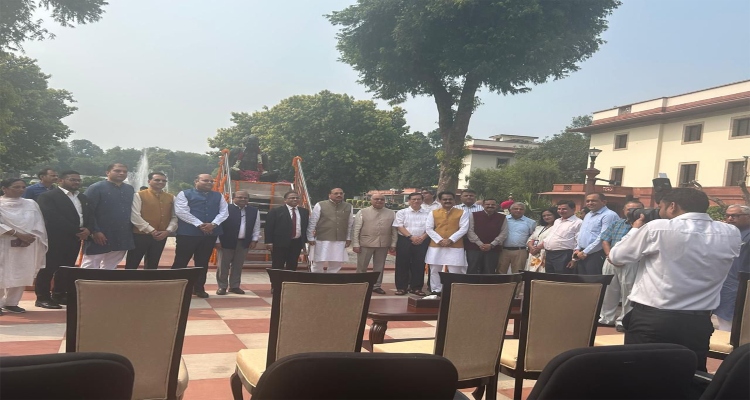
Supreme Court judge Justice Surya Kant on Thursday paid homage to Mahatma Gandhi and former Prime Minister Lal Bahadur Shastri on their birth anniversaries, describing their lives and principles as a “living call to action” for today’s society.
Floral Tributes At The Supreme Court
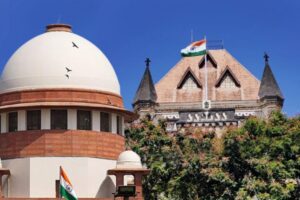
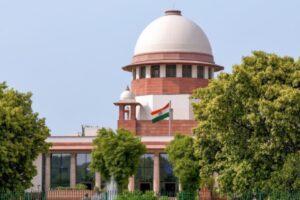
Justice Kant offered flowers at Gandhi’s statue in the Supreme Court premises and spoke of the profound sense of calm he experienced during the visit.
“Visiting Mahatma Gandhi’s statue at the court premises stirred a profound sense of peace and reflection within me today. There was a calm dignity in the air that seemed to embody his teachings of truth and nonviolence,” he said.
Recalling Gandhi’s role in India’s independence movement, he noted, “His ability to unite millions of Indians from each and every strata of society galvanised a widespread national movement that challenged British rule directly on the ground.”
Gandhi’s Philosophy Beyond Politics
Justice Kant stressed that Gandhi’s idea of freedom was never confined to political independence. Instead, it was measured by the dignity afforded to the most vulnerable and by justice reaching those at the margins of society.
“Pujya Bapu’s focus on villages, self-reliance, and simple living allowed him to represent the majority of Indians, giving a voice to the rural masses in the larger political narrative and reinforcing a unified national identity,” he observed.
He added that Gandhi’s approach to conflict was rooted in reconciliation. “Even the fiercest disputants shared threads of common interest, and through an appeal to both the heart and the mind, reconciliation was possible,” Justice Kant remarked.
Shastri’s Leadership & Legacy
Justice Kant also remembered Lal Bahadur Shastri, whose birthday coincides with Gandhi’s. He described Shastri as a leader who embodied Gandhian principles in governance with humility and moral clarity.
“Nurtured by Gandhian thought from his earliest years in the freedom struggle, Shastri ji carried those values into the highest offices of public life,” he said. Referring to Shastri’s iconic call, he added, “His enduring call—‘Jai Jawan, Jai Kisan’—resonates even today as a timeless affirmation of patriotism, honouring both the soldier who safeguards the nation and the farmer who sustains it.”
Justice Kant highlighted that Shastri’s tenure as Prime Minister was marked by simplicity, accessibility, and a spirit of service, ensuring that justice and dignity extended to every household.
A Shared Ethos Of Justice
Concluding his tribute, Justice Kant drew a parallel between the two leaders. “The profound commonality between Gandhi and Shastri lies in their unwavering devotion to justice as the bedrock of public life,” he said.
For Gandhi, justice was inseparable from truth and compassion, while Shastri turned that moral vision into practical governance. Justice Kant reminded that their shared legacy of “justice, humility, and selfless service” should inspire every citizen to uphold these principles in the continuing journey of democracy.
Read More: Supreme Court, Delhi High Court, States High Court, International