


Nimisha Priya, a 38-year-old nurse from Palakkad district, Kerala, has been on death row in Yemen since her conviction for the 2017 murder of her Yemeni business partner.
Following her conviction in 2020, her appeal was ultimately rejected in 2023. She is currently detained in a Sana’a prison, awaiting execution set tentatively for July 16, 2025.
Plea Before The Court
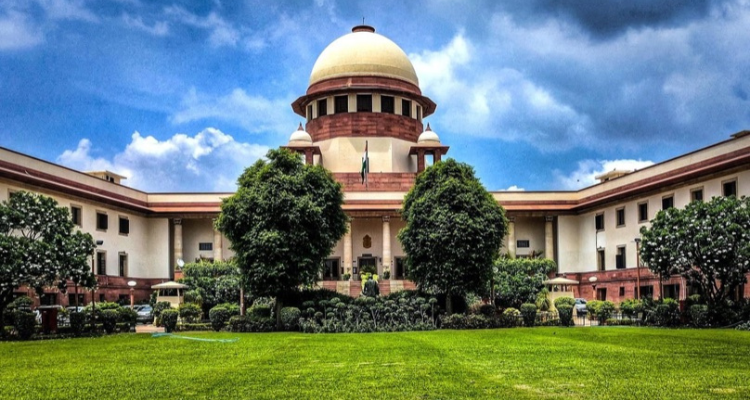
The Supreme Court of India agreed to hear a public interest petition filed by the “Save Nimisha Priya – International Action Council,” an organization that provides legal support for Nimisha’s cause. The petitioners have urged the Court to direct the central government to engage all available diplomatic channels in a bid to secure a reprieve.
A bench comprising Justices Sudhanshu Dhulia and Joymalya Bagchi has scheduled the hearing for July 14, 2025.
Advocate’s Submissions
Advocate Subhash Chandran KR, appearing for the petitioners, highlighted the urgency of the matter. He argued that, under Sharia law, the payment of “blood money” (diya) to the deceased’s family is permissible and could pave the way for their pardon. “The family of the deceased may pardon the Kerala nurse if blood money is paid,” he told the Court, underscoring the need for swift diplomatic efforts.
Sharia Law & Blood Money
Under Yemeni law—which incorporates principles of Sharia—certain murder convictions may be settled through diya, or blood money, if the victim’s heirs consent to pardon the accused in exchange for compensation. The plea before the Supreme Court points to this provision as a viable route to saving Ms. Priya’s life. The petitioners have requested the Court to direct the Union government to initiate discussions with Yemeni authorities to negotiate diya on her behalf.
The Supreme Court bench directed counsel to serve a copy of the petition on the Attorney General of India and sought his assistance in framing India’s response. This step ensures that the Centre’s legal and diplomatic machinery will be formally involved in the proceedings, potentially expediting engagement with Yemeni interlocutors.
Next Hearing
During the July 14 hearing, the Court is expected to consider whether to issue a formal directive to the central government, compelling it to leverage diplomatic channels. If the Court grants the relief sought, Indian officials in the Ministry of External Affairs would likely approach their Yemeni counterparts to open negotiations on diya.
The case has drawn attention to the broader issue of Indian nationals facing capital punishment abroad. Human rights advocates emphasize the government’s duty to protect its citizens through all means available, including negotiation of alternative punishments or pardons under foreign legal systems.
Conclusion
As the execution date looms, the Supreme Court’s decision on July 14 will be pivotal. Should the Court direct diplomatic intervention and the Yemeni administration agree to entertain a blood-money settlement, Ms. Priya’s life could be spared. Until then, her fate remains uncertain, hinging on the judiciary’s call and the government’s diplomatic outreach.
Read More: Supreme Court, Delhi High Court, States High Court, International