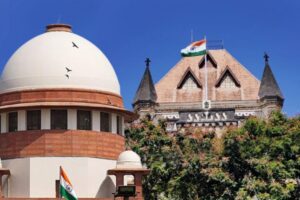



The Supreme Court of India will begin hearings on October 28 to address long-standing concerns over seniority and promotional stagnation within the country’s judicial system, particularly affecting the lower judiciary.
A 5-judge Constitution Bench, led by Chief Justice BR Gavai, will take up petitions related to how seniority is determined in the higher judiciary, alongside broader issues affecting the career progression of judicial officers serving at the grassroots level.
Focus On Career Growth & Promotional Bottlenecks
The bench — also comprising Justices Surya Kant, Vikram Nath, K Vinod Chandran, and Joymalya Bagchi — aims to explore systemic challenges faced by lower court judges, many of whom spend their entire careers without receiving timely promotions or recognition.
The bench has directed all parties involved to file their written submissions by October 27, ensuring the matter can proceed without delay. The court also appointed nodal counsels to streamline arguments from various sides.
These proceedings follow a batch of petitions, including one by the All India Judges Association, which have brought attention to critical concerns regarding service conditions, pay structures, and career advancement opportunities for judicial officers across different states.
A Widespread Problem Across States
Earlier, on October 7, the apex court formally referred the issue of career stagnation to the Constitution Bench, recognizing the need for an in-depth legal examination.
Chief Justice Gavai emphasized the urgency of the matter, stating that a holistic solution is required to address the limited promotional avenues available for judges who enter the system at the junior-most levels.
The Chief Justice stated, “Some high courts have taken a view that on account of the prevailing situation, the judges who initially enter the service as civil judge, junior division are not in the position to reach up to the post of district judges.”
The bench also highlighted the “anomalous situation” in many states, where judicial officers begin their careers as Judicial Magistrate First Class but often retire without reaching the level of Principal District Judge (PDJ) — a key step toward elevation to the High Court.
Concerns Over Direct Recruitment
While the majority of arguments have focused on the lack of internal promotions, senior advocate R Basant cautioned against sweeping reforms. Representing an opposing perspective, he argued that reserving too many positions for promotees might disadvantage those entering through direct recruitment.
He said such a move “would unfairly disadvantage meritorious candidates aspiring for direct recruitment as district judges.”
Read More: Supreme Court, Delhi High Court, States High Court, International