



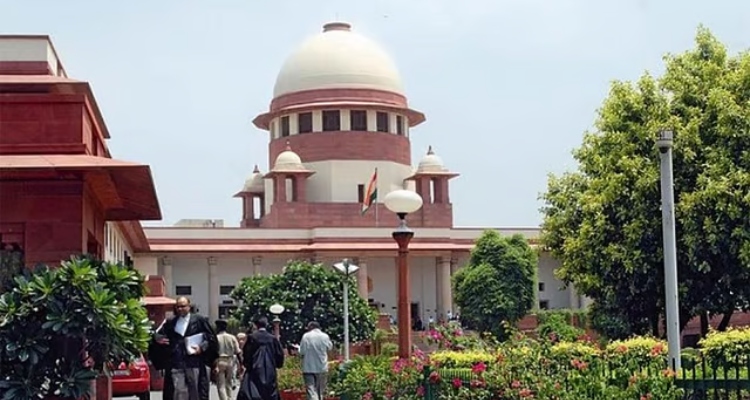
In a landmark move, the Supreme Court of India has, for the first time, formalized a reservation policy for its own cadre of employees.
A circular issued on June 24, 2025, notified staffers that a Model Reservation Roster and Register has been uploaded on the Court’s internal network (Supnet) and will be effective from June 23, 2025.
New Reservation Roster Unveiled
The circular, signed by the Registrar (Recruitment), makes clear that employees belonging to Scheduled Castes (SC) and Scheduled Tribes (ST) will now benefit from reserved vacancies in both direct recruitment and promotions. Under the new roster:
15% of posts are reserved for SC candidates
7.5% of posts are reserved for ST candidates
These quotas apply across multiple grades, ensuring representation at various levels within the Supreme Court’s administrative framework.
Who Stands To Benefit?
The reservation policy covers a range of key positions, including:
Registrars (administrative officers handling court files and processes)
Senior Personal Assistants (executive support staff for judges)
Assistant Librarians (custodians of the Court’s legal library)
Junior Court Assistants (clerical staff managing case records)
Chamber Attendants (support staff in judicial chambers)
By extending quotas to both higher and lower echelons, the Court aims to foster inclusivity throughout its staffing hierarchy.
Mechanism For Corrections & Representations
Recognizing the importance of accuracy, the circular invites any staff member to flag errors in the roster or register. Employees may submit objections or representations regarding mistakes to the Registrar (Recruitment), ensuring transparency and accountability in the implementation process.
Significance & Context
This initiative marks a departure from past practice, where the Supreme Court had not maintained a formalized reservation roster for its internal staff. By adopting a structured model roster:
Constitutional Mandate: The Court reaffirms its commitment to Articles 15 and 16 of the Constitution, which prohibit discrimination and guarantee equal opportunities in public employment.
Institutional Precedent: As the apex court of the land, this policy sets a benchmark for other high courts and subordinate judiciary offices to follow suit.
Diversity and Inclusivity: The move is expected to strengthen the diversity of perspectives within the Supreme Court’s support staff, enriching its administrative functions.
What Lies Ahead
With the roster now in force, the Supreme Court’s recruitment and promotion panels must integrate these quotas into their selection and seniority lists. Regular audits of the roster and prompt resolution of any grievances will be crucial to uphold the policy’s integrity.
By embedding reservation principles into its own administrative machinery, the Supreme Court not only honors constitutional values but also leads by example in promoting social justice within the judiciary.
circular-reg-reservation-roste.supnet.24-06-2025
(Inputs By Sambhav Sharma)
Read More: Supreme Court, Delhi High Court, States High Court, International