


The Supreme Court dismissed the appeal filed by the National Highways Authority of India (NHAI) against the Kerala High Court’s order suspending toll collection at the Paliyekkara toll booth in Thrissur district.
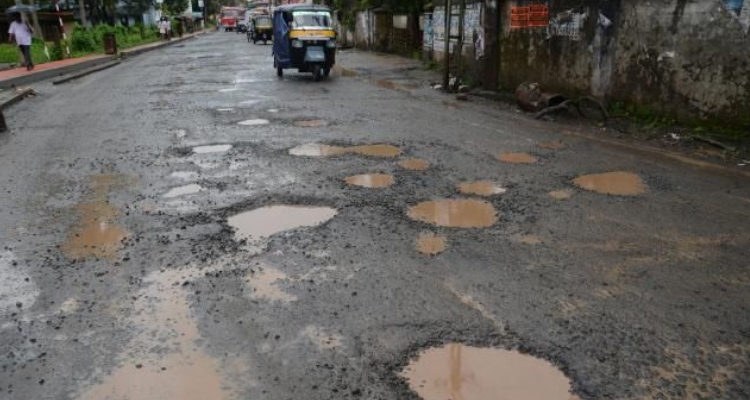
The suspension was linked to the poor condition of the Edappally–Mannuthy stretch of National Highway 544.
A bench comprising Chief Justice of India BR Gavai and Justice K Vinod Chandran delivered the verdict in the evening, after reserving the matter a day earlier. Both appeals filed by NHAI and other authorities were rejected.
“Why Should People Pay Toll?”
During the hearing, the bench strongly criticised the NHAI over the dilapidated state of the highway, which recently witnessed a 12-hour traffic jam.
“Why should a person pay Rs 150 if it takes 12 hours for him to get from one end of the road to the other end? A road which is expected to take one hour, it takes 11 more hours and they have to pay toll as well!” remarked CJI Gavai.
Justice Vinod Chandran also cited media reports on the repeated congestion and observed that both judges themselves had faced traffic snarls on the same stretch.
CJI Gavai further noted that gutters, potholes, and recurring traffic jams on national highways are “symbols of inefficiency.”
Kerala HC’s Earlier Order
On August 6, a division bench of the Kerala High Court had ordered the suspension of toll collection for four weeks, ruling that authorities cannot charge user fees when access to the highway is obstructed by poor maintenance and prolonged delays in construction.
The High Court stressed that while citizens are legally bound to pay tolls, the NHAI has a reciprocal duty to ensure safe and smooth travel. Failure to do so, it said, amounts to a breach of public trust, rendering the toll demand unjustified.
Verdict Reinforces Accountability
With the Supreme Court upholding the High Court’s ruling, toll collection at Paliyekkara remains suspended, sending a strong message on accountability in public infrastructure projects.
The judgment underscores that user fees cannot be justified when basic service obligations — such as maintaining a motorable highway — are left unmet.
Read More: Supreme Court, Delhi High Court, States High Court, International