


The Supreme Court on Monday closed a petition filed by the Indian Medical Association against Patanjali Ayurveda over allegedly misleading advertisements for traditional medicines, observing that advertising is a “natural business practice” once manufacturing is permitted.
A bench led by Justice BV Nagarathna set aside its earlier order that had imposed tighter restrictions on advertising of Ayurvedic products.
“Once you permit manufacture, then advertisement of that product will be a natural business practice,” Justice Nagarathna remarked while disposing of the case.
Govt’s Stand: Existing Laws Sufficient
Solicitor General Tushar Mehta, appearing for the Union government, argued that there already exists a statutory mechanism to prevent false medical claims, making Rule 170—which required pre-approval of advertisements—unnecessary.
“There is already a statutory mechanism in place… let us not doubt the intelligence of the common man,” Mehta submitted.
Concerns Over Misleading Ads
However, counsel for an intervenor, Advocate Pranav Sachdeva, urged the court to retain its earlier stay on the government’s decision to drop Rule 170. He warned of the risks posed by misleading claims in traditional medicine advertising:
“There are a large number of gullible people. In Ayurveda, one can claim cures for diseases and people will be lured,” he argued.
Amicus Curiae Senior Advocate Shadan Farasat also pointed out that several states had been implementing Rule 170 since the court’s stay order of August 27, 2024, and cautioned against a rollback.
Contempt Proceedings Closed
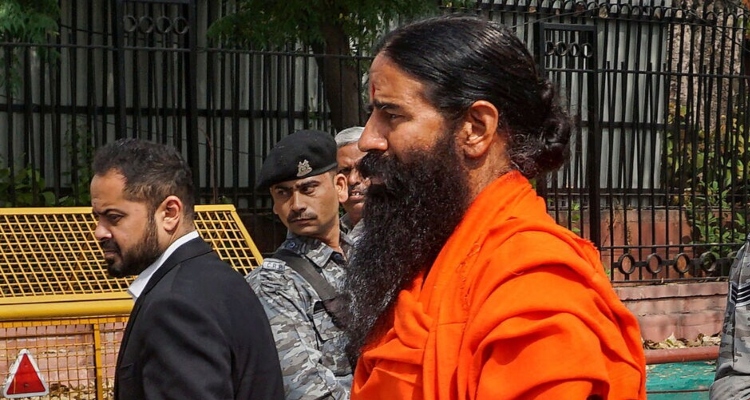
The court also formally closed contempt proceedings against Patanjali promoters Baba Ramdev and Acharya Balkrishna, after the duo tendered multiple apologies for earlier misleading claims in their company’s advertisements.
While noting that the relief sought in the petition had already been achieved through interim orders, the bench underscored the importance of ensuring vigilance in health-related advertising.
Read More: Supreme Court, Delhi High Court, States High Court, International